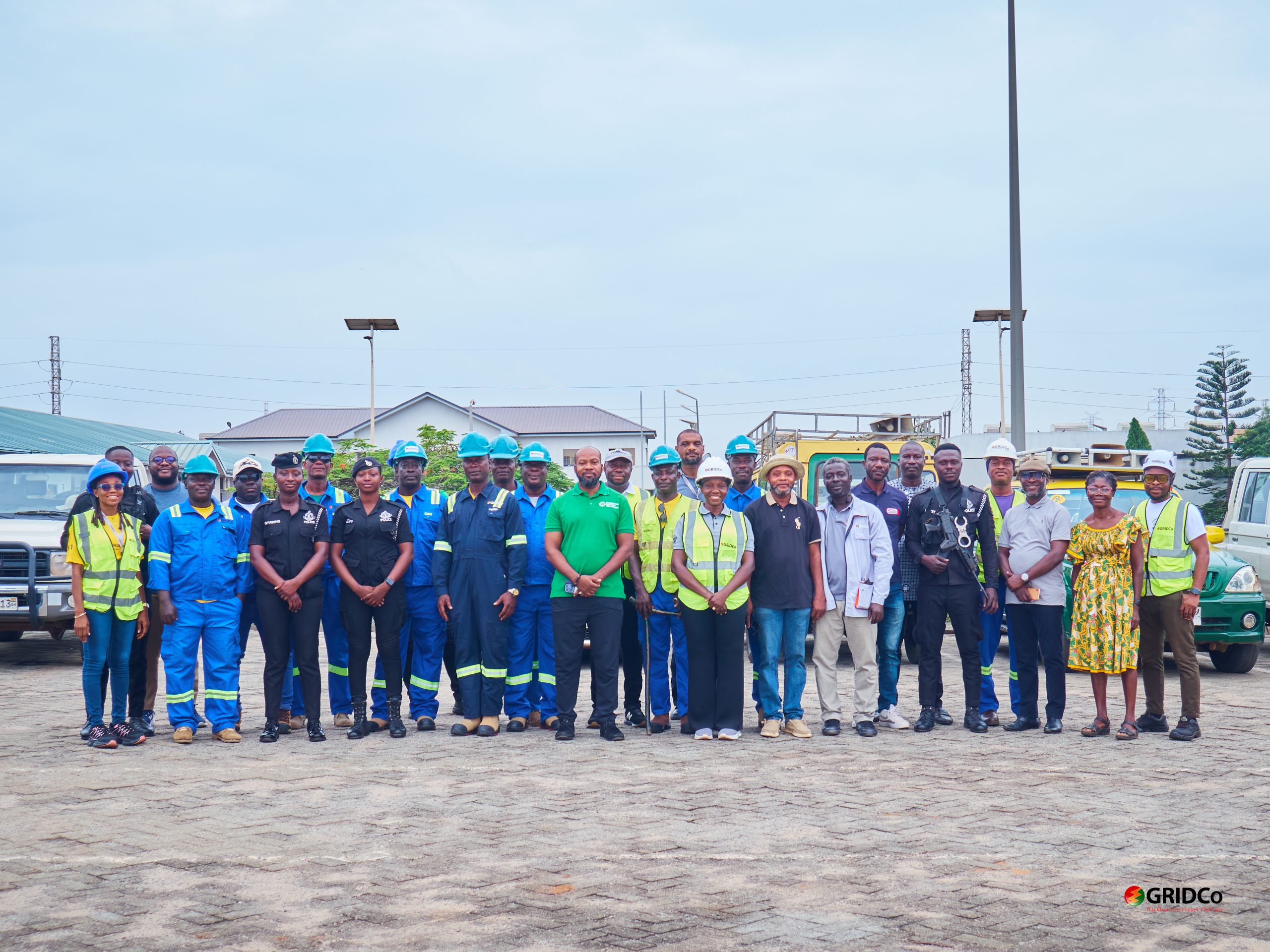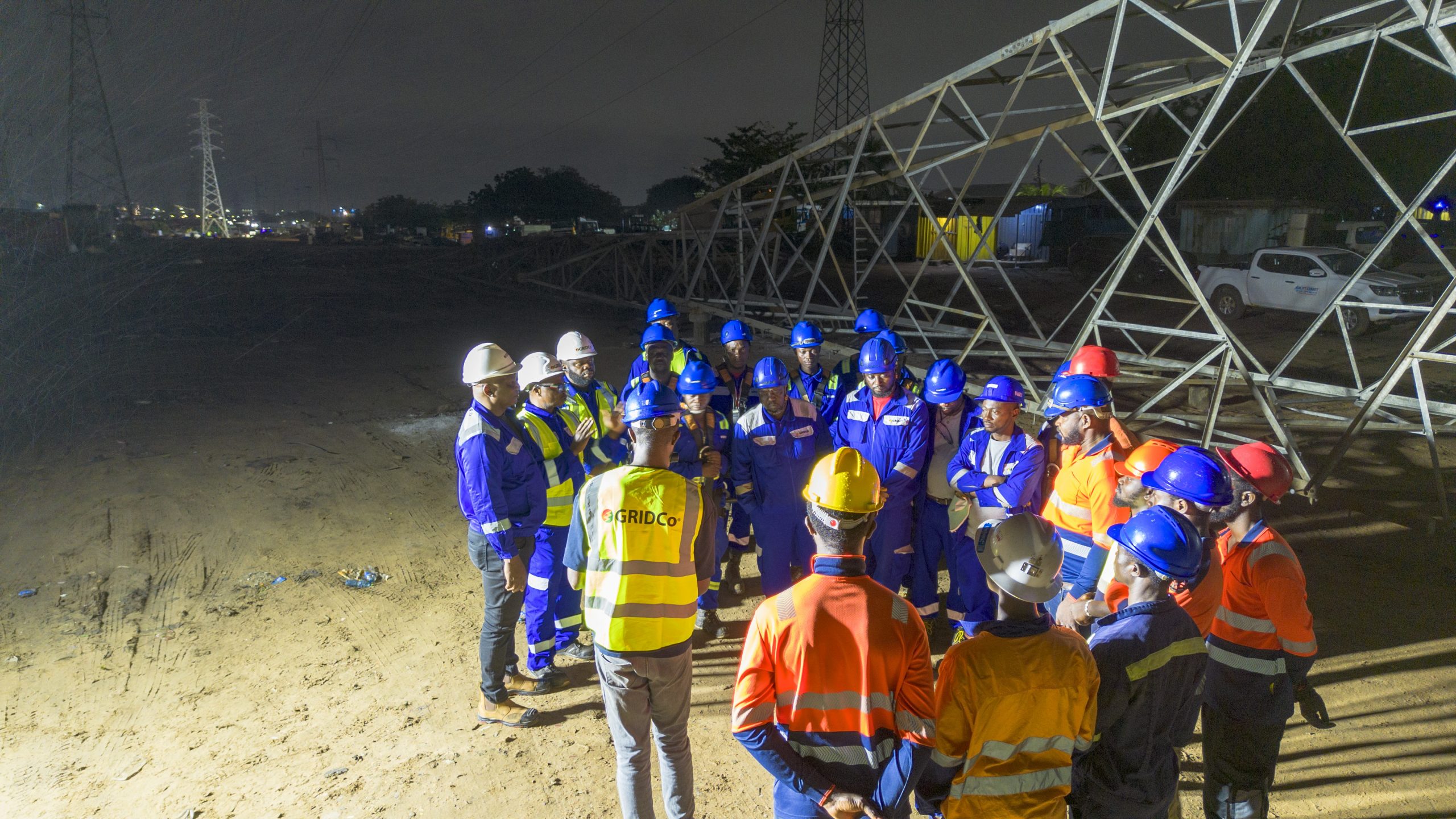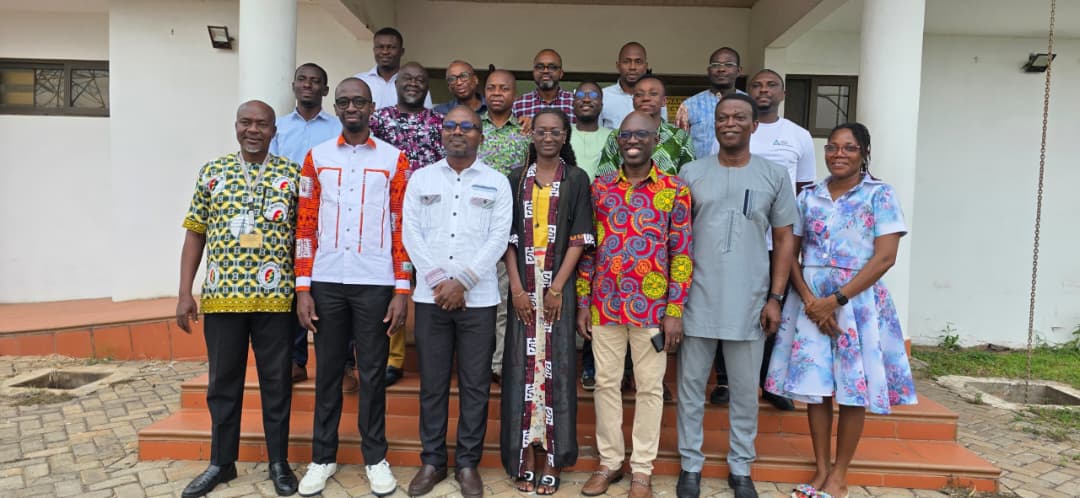
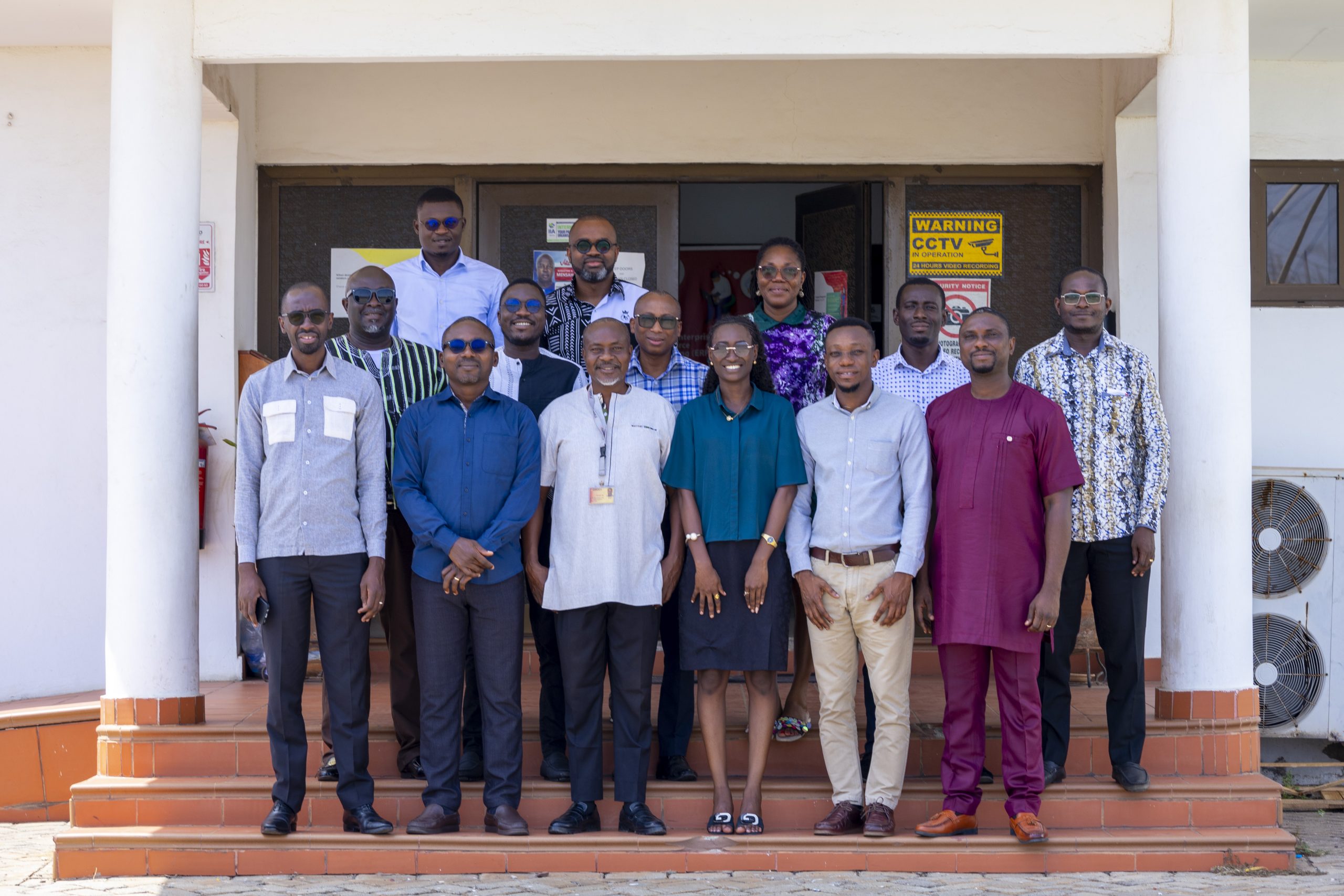
The Ghana Grid Company LTD. recently held a technical sub-committee meeting with the Ivorian power system utility to discuss issues relating to the operation of the electrical interconnection between Ghana and Côte d’Ivoire, analyse problems and make recommendations for solution.
The Ghana party comprised GRIDCo and the Volta River Authority (VRA), whilst their Ivorian counterparts came from Compagnie Ivoirienne d’Electricité (CIE) and CI-Energies.
The five-day meeting spanned from March 30 to April 3, 2026
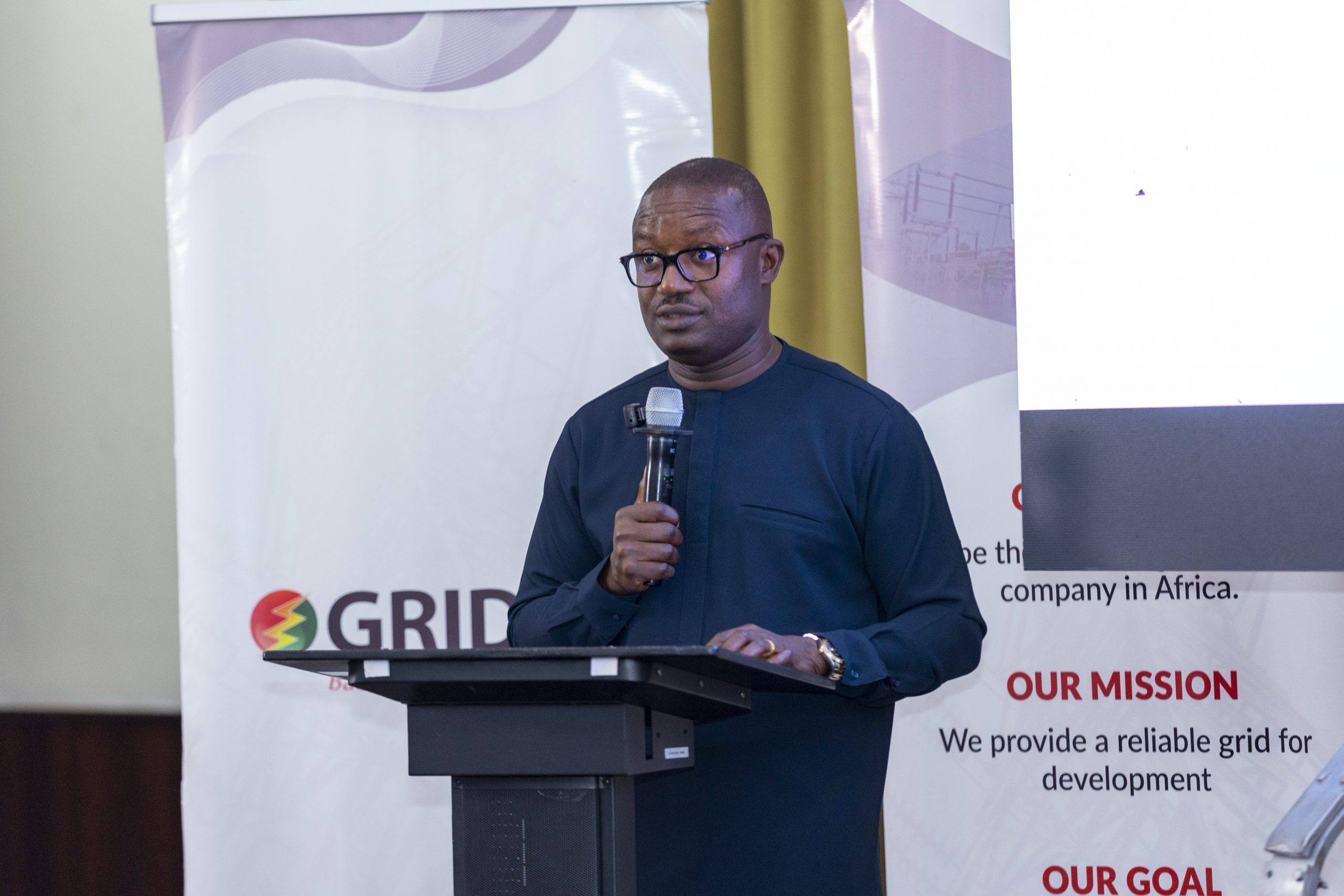
Welcoming participants to the meeting, the Committee Chairman, Ing. Stephen Debrah, Manager System Control Centre (SCC) reiterated the generation capacity constraints on the Ghana power system during the first half the month of March which made it difficult for GRIDCo to export the full programmed power to CIE. He explained that the temporal challenges were caused by corrective maintenance works which had to be undertaken simultaneously on some generating units. Excitedly, he assured participants that, “All the challenges have been resolved, and GRIDCo is now exporting the programmed power to CIE.”
Among the issues discussed were;
• Operation of the Prestea-Bingerville 225 kV interconnection.
• Performance of the harmonised Ghana-Côte d’Ivoire-Burkina AFLS scheme.
• Impact analysis of the newly installed two (2) pieces of 250 MVA autotransformers at the Nayagnia substation, on the stability of the Ghana-Côte d’Ivoire-Burkina networks.
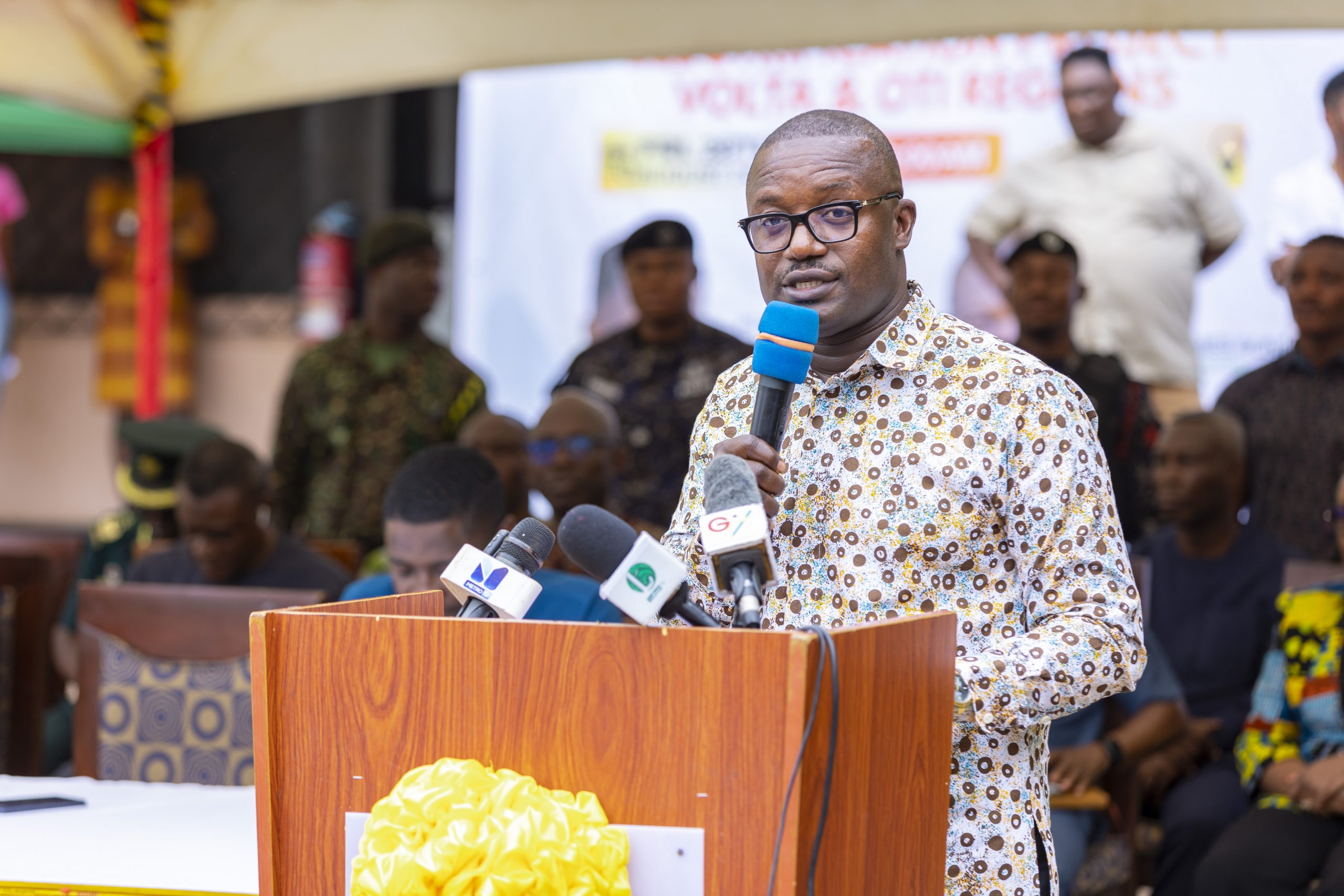
Ing. Mark Baah, the Chief Executive and Ing. Frank Otchere, Deputy Chief Executive, Engineering (DCE, Engineering) briefly visited the meeting on the last day to encourage them to remain committed to the call of duty.
Importantly, the five-day meeting, which spanned from March 30 to April 3, 2026, achieved its goal of taking steps to secure the smooth operation of the Ghana–Côte d’Ivoire interconnection while advancing regional electricity trade.
===
Other Benefits of such meetings include;
• Strengthening technical coordination between participating utilities.
• Enhancing stability of the Ghana–Côte d’Ivoire interconnected power systems.
• Improving planning and management of cross-border power exchanges.
• Supporting joint resolution of operational challenges, faults and system constraints.
• Performing joint technical analysis to better resolve causes of instability of the interconnected power systems
• Enable coordinated maintenance scheduling to reduce supply disruptions.
• Promoting data sharing and technical collaboration for better decision-making.
• Reinforcing regional integration objectives under WAPP/ECOWAS power trade frameworks.